AXS M-Station
A capstone UX project with AXS, Singapore’s leading payment solutions provider. Working in a team of six, we improved clarity and usability across AXS M-Station and AXS Drive—two high-traffic apps supporting everyday bill payments.
UX Skills: Secondary research · User interviews · Usability testing · UX workshops · Wireframing
Role
Research Lead
Ideation Lead
Presentation Lead
Team
Group of 6 designers
2 PM per app
Timeline
3 weeks across 2 apps
Tools
Figma
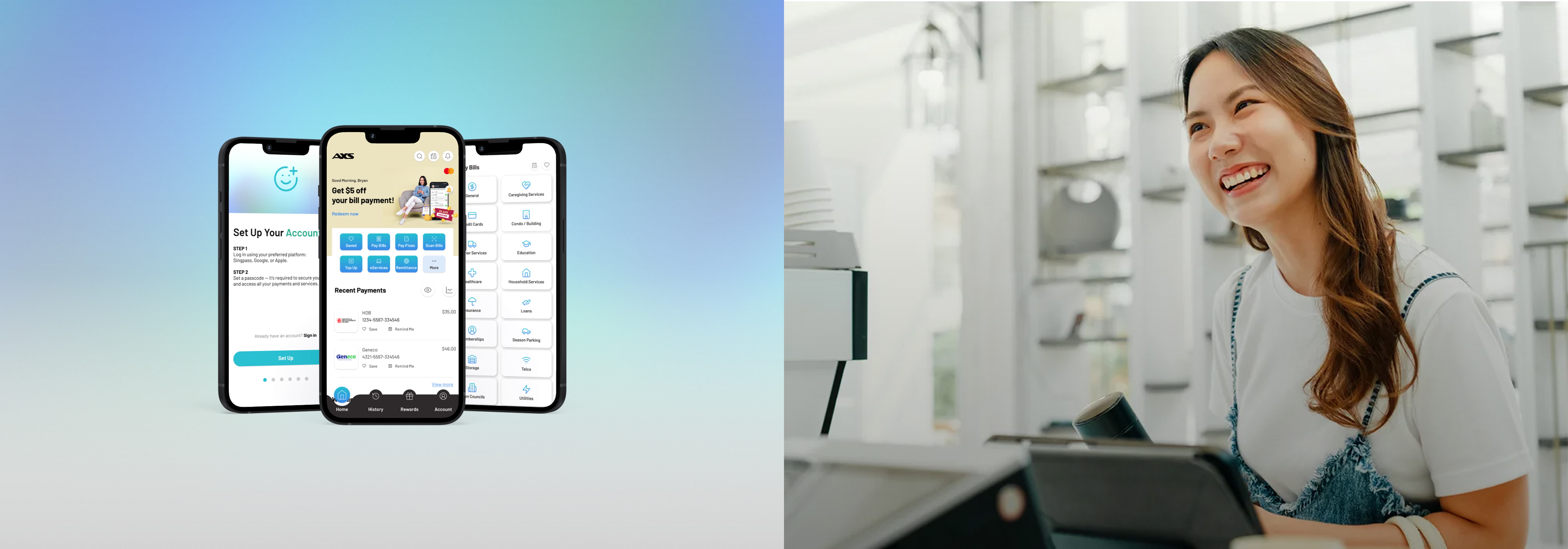
About AXS
AXS is a multi-platform payment provider serving millions of users across Singapore. For over 25 years, it has enabled everyday bill payments and essential services through digital channels.


The Challenge
After more than a decade without usability testing, AXS’s mobile experiences no longer reflected evolving user expectations. The goal was to uncover current user needs and identify friction points affecting usability, clarity, and adoption across both apps.
The Solution
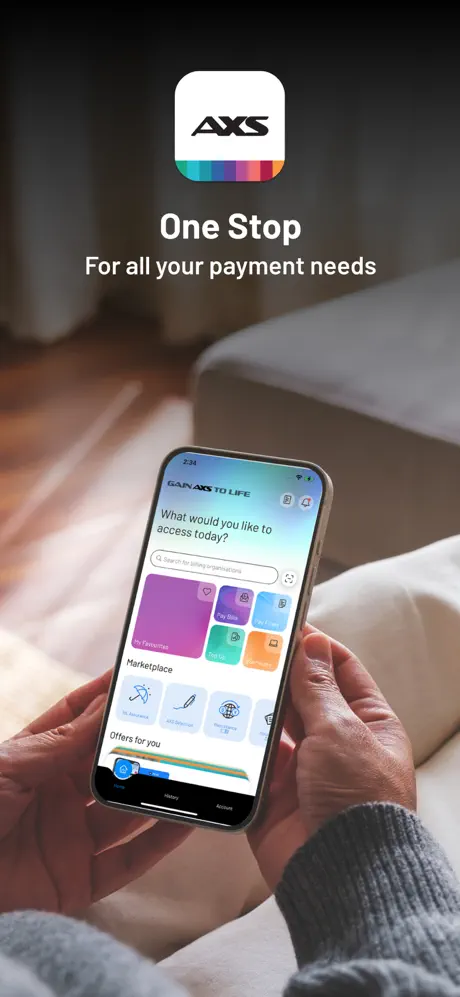
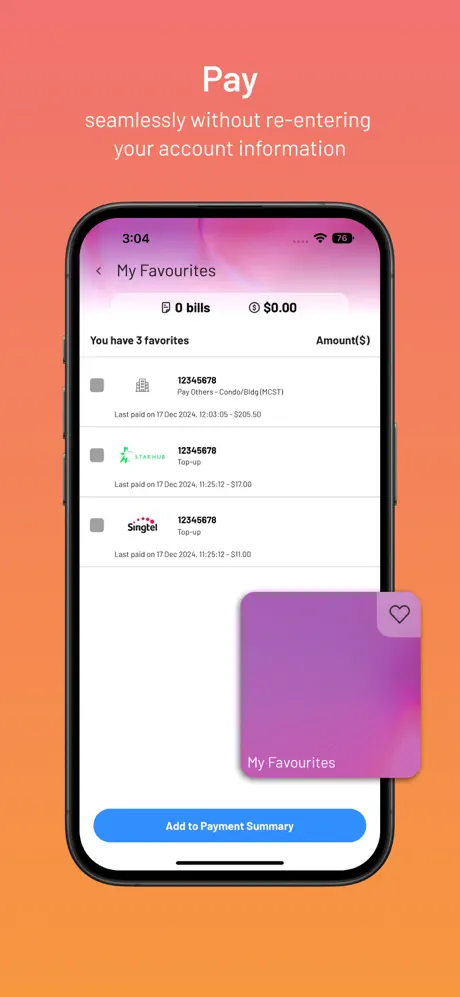
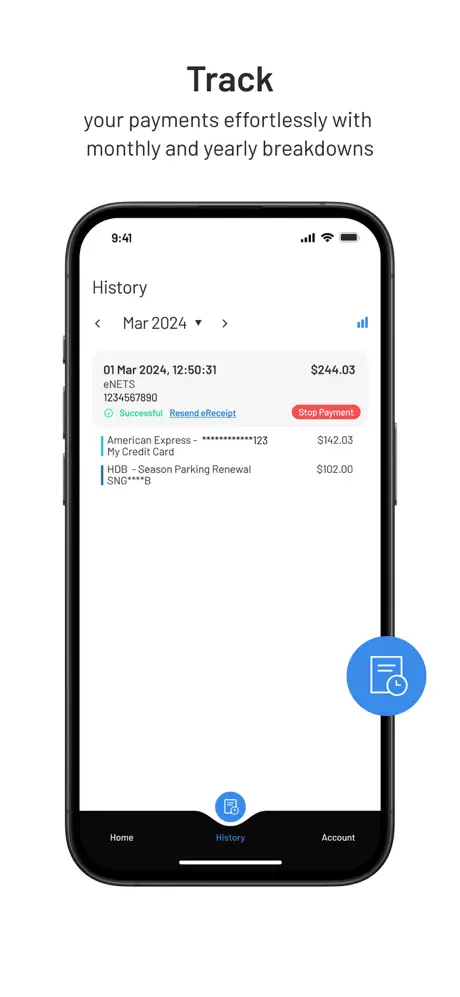
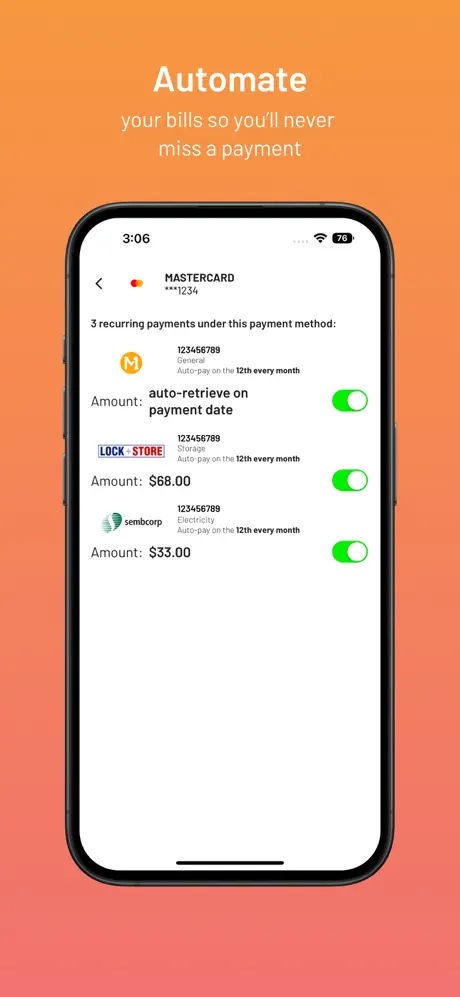
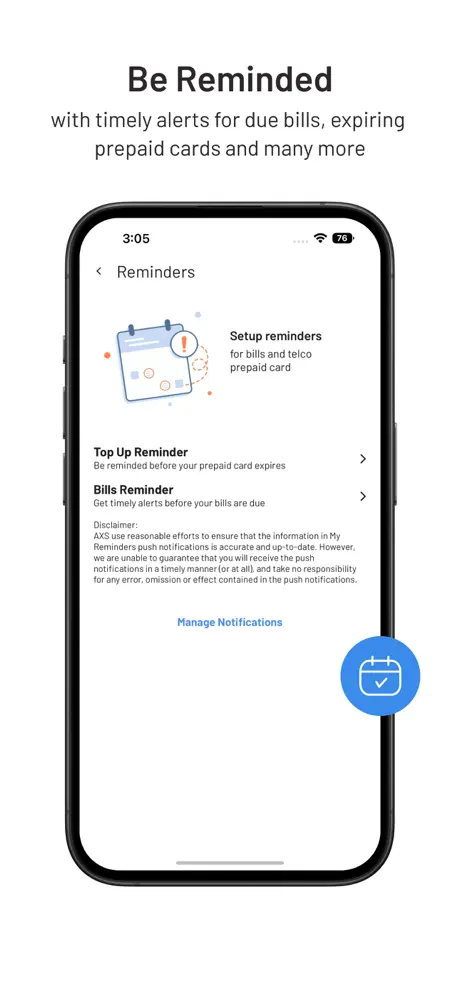
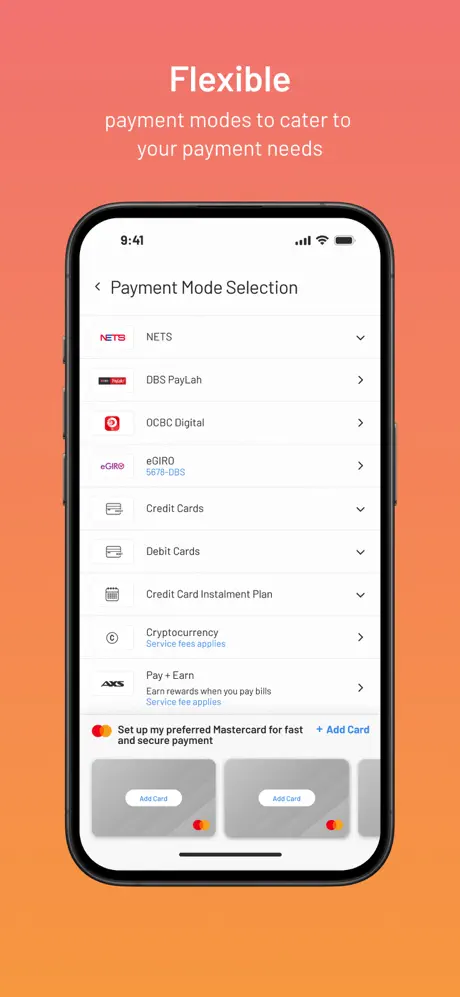
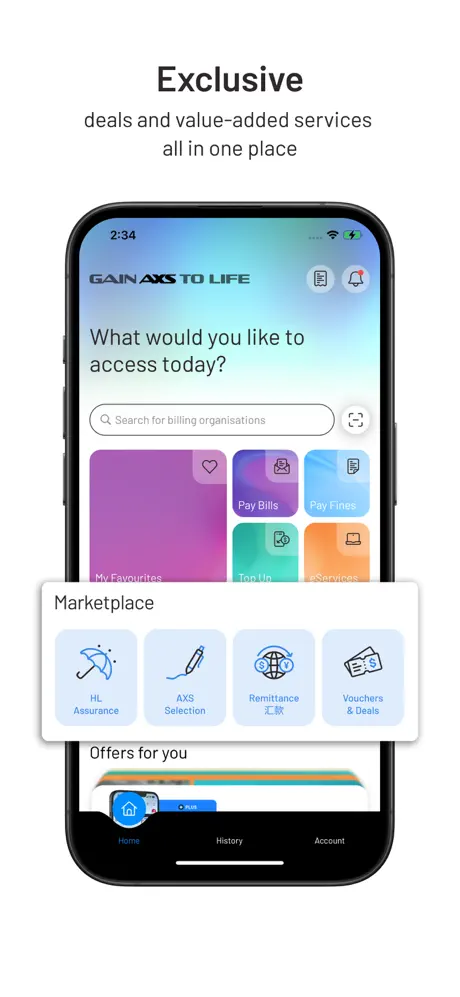
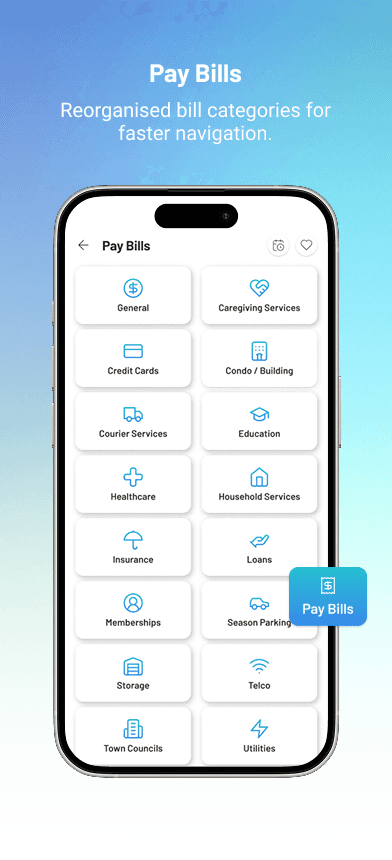
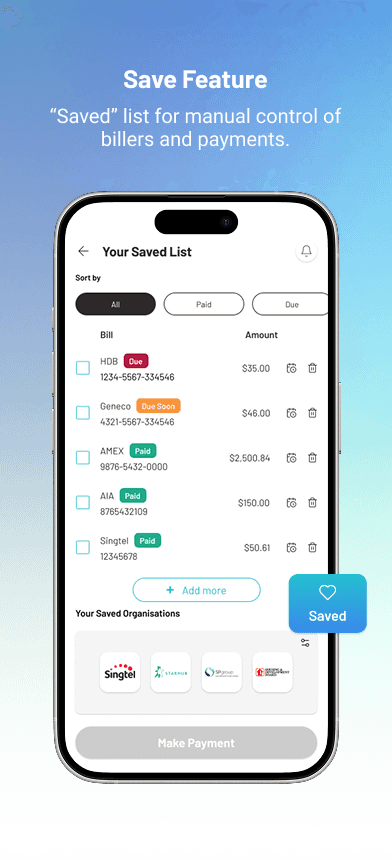
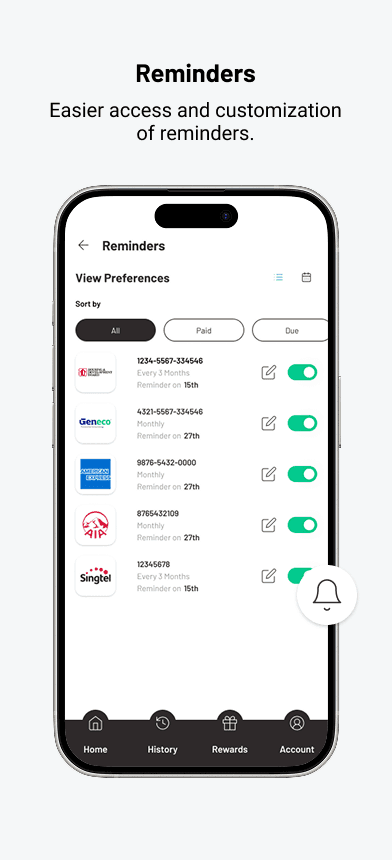
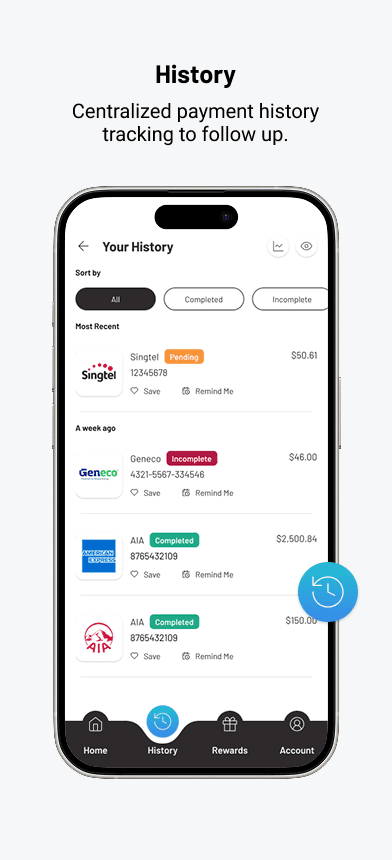
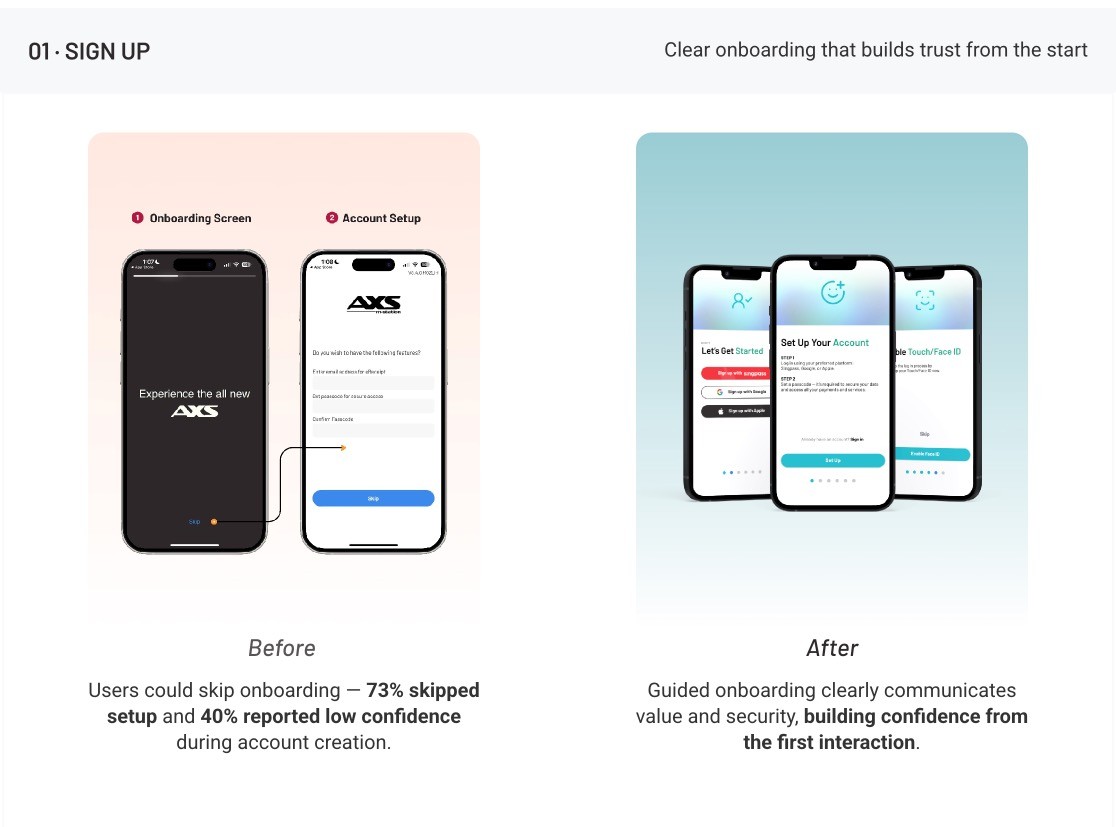
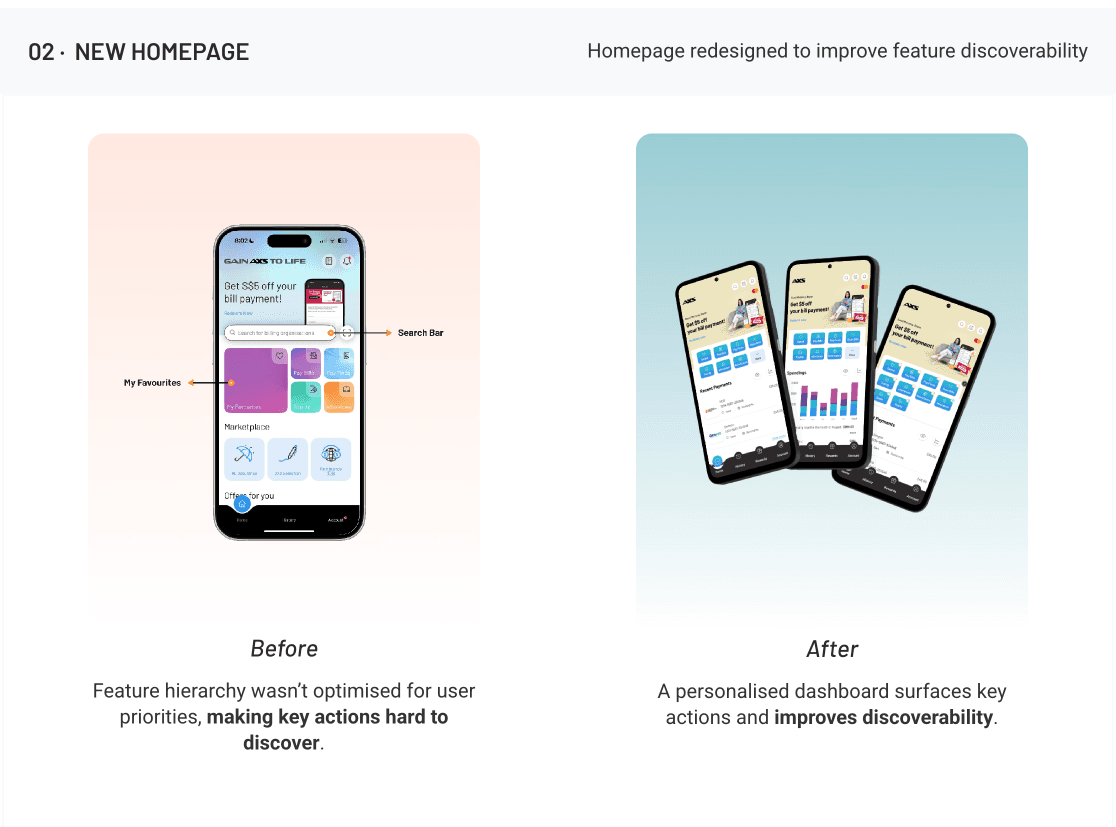
We translated user research into actionable UX improvements that clarified onboarding, improved navigation, and made bill payments more intuitive across AXS M-Station.



Design Process
With only 3 weeks across 2 apps, we worked in fast, iterative loops—moving between discovery, ideation and executing while staying closely aligned with AXS stakeholders.
Discover
Secondary research
User interviews and testing
Card sorting study
Affinity mapping
Ideate
Design Studio workshop (M-Station)
Impact–Effort Mapping workshop (Drive)
Define
User personas
Journey Map
HMW statements
IA for bill navigation
Deliver
Presentation to AXS leadership
Design library and files
Usability testing planned as next step
Discover - User research
Interviews & Testing
We hypothesised that existing users and non-users experience the app differently. To reduce bias and validate assumptions efficiently, we combined interviews with usability testing across both groups.
9 Existing Users
Male: 6 Users
Female: 3 Users
Age group: 25 -54
Key Selection Criteria:
Pays bills
6 Non-Users
Male: 6 Users
Female: 3 Users
Age group: 25 -54
Key Selection Criteria:
Pays bills
Usability Test
We prioritised M-Station’s core payment features and tested assumptions around biller discovery and repeat payments through usability testing.
Objective
To evaluate how intuitive the M-Station app is and understand user behaviour during bill payments.
Scenario
A new user downloads the M-Station app to pay their bills, then returns one month later (T+1) to make the same payments again.
Metrics
Task success rate, number of clicks, user satisfaction (1–5), errors, qualitative feedback
Task 1
Your Singtel and Citibank bills are due - pay them.
Results
100% task success rate
15 clicks to complete
3.9 / 5 average satisfaction
Key issues
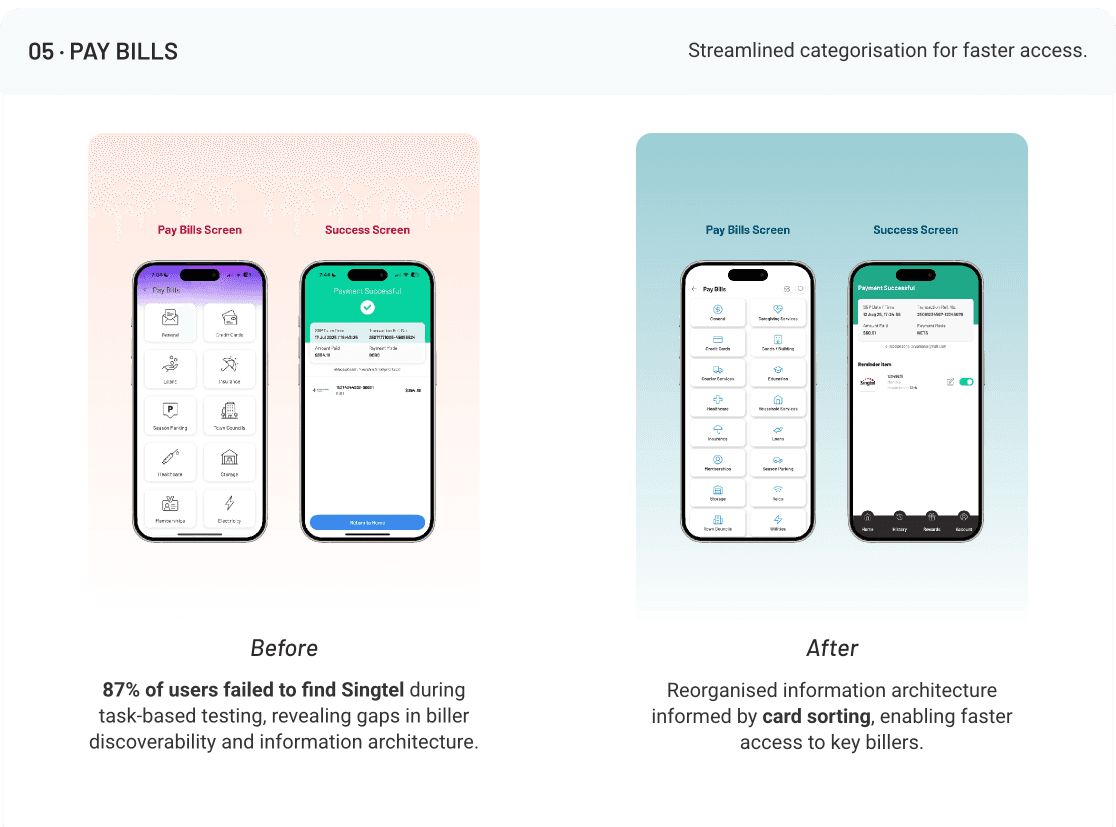
Users struggled with category labels and bill grouping, making Singtel hard to locate.
The purpose of the passcode was unclear.
Observations
The overall flow felt straightforward and familiar.
Most users used “Add more bills” to complete payments.
Task 2
A month has passed — pay the same bills without re-entering account numbers.
Results
73% task success rate
4.5 / 5 average satisfaction
Key issues
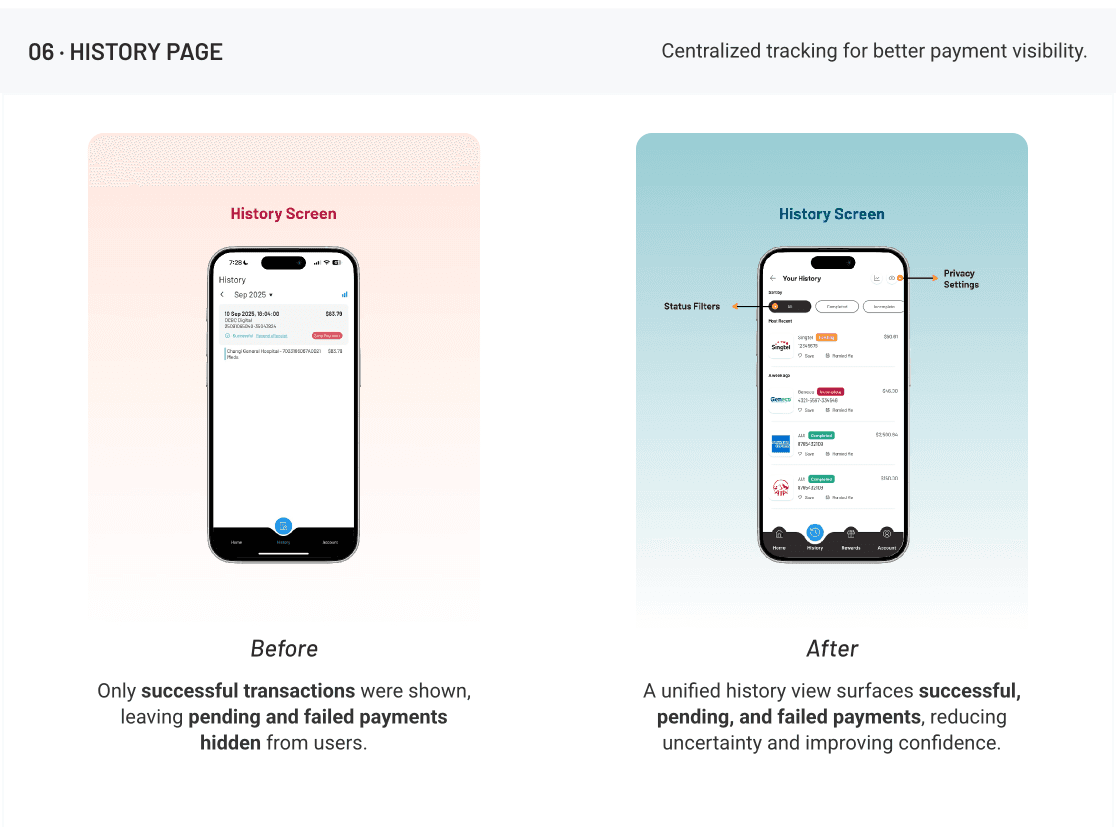
Four users repeated the Task 1 flow or expected to repay bills via “History.”
Observations — My Favourites
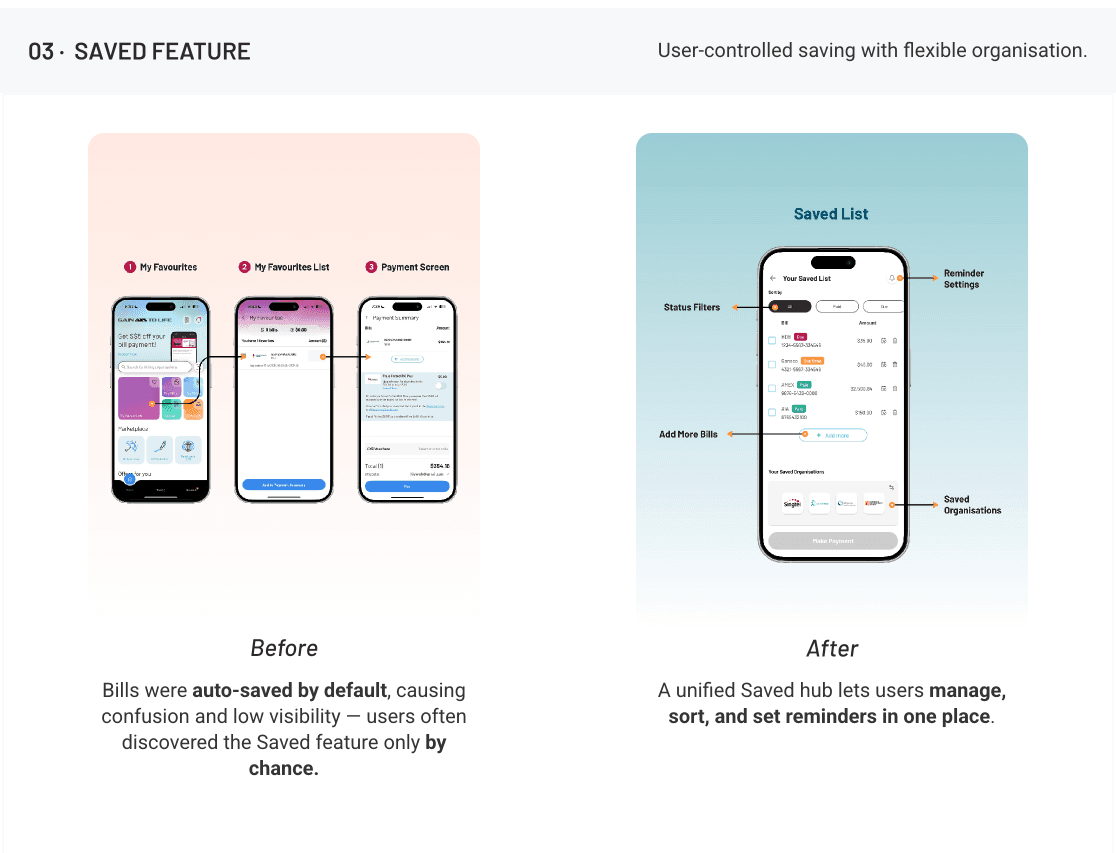
Existing users discovered “My Favourites” organically while exploring the app.
Prominent placement led users to assume it was important.
Some users expected to add bills by tapping a heart icon, indicating unclear mental models.
Key Findings
Usability testing validated our hypotheses, while interviews revealed gaps between user expectations and existing functionality.
Low Awareness of App features
73% of users were unclear about what the app offers beyond bill and fine payments, while 83% of non-users were unaware of these features.
“My Favourites” Is Useful, But Hard to Discover
While 73% of users found it helpful for recurring payments, 33% of existing users discovered it only by chance.
Difficulties with Categories & Search
7 out of 15 users struggled to locate Singtel, with 80% saying they didn’t notice or wouldn’t use search on the Home page.
Unclear Account / Passcode Function
3 existing users lost payment history when switching devices due to unclear, device-specific passcode behaviour.
Users Want a One-Stop Payment App
60% of users wanted an all-in-one payment app, yet many didn’t realise M-Station already supports this.
Reminders Would Be Helpful
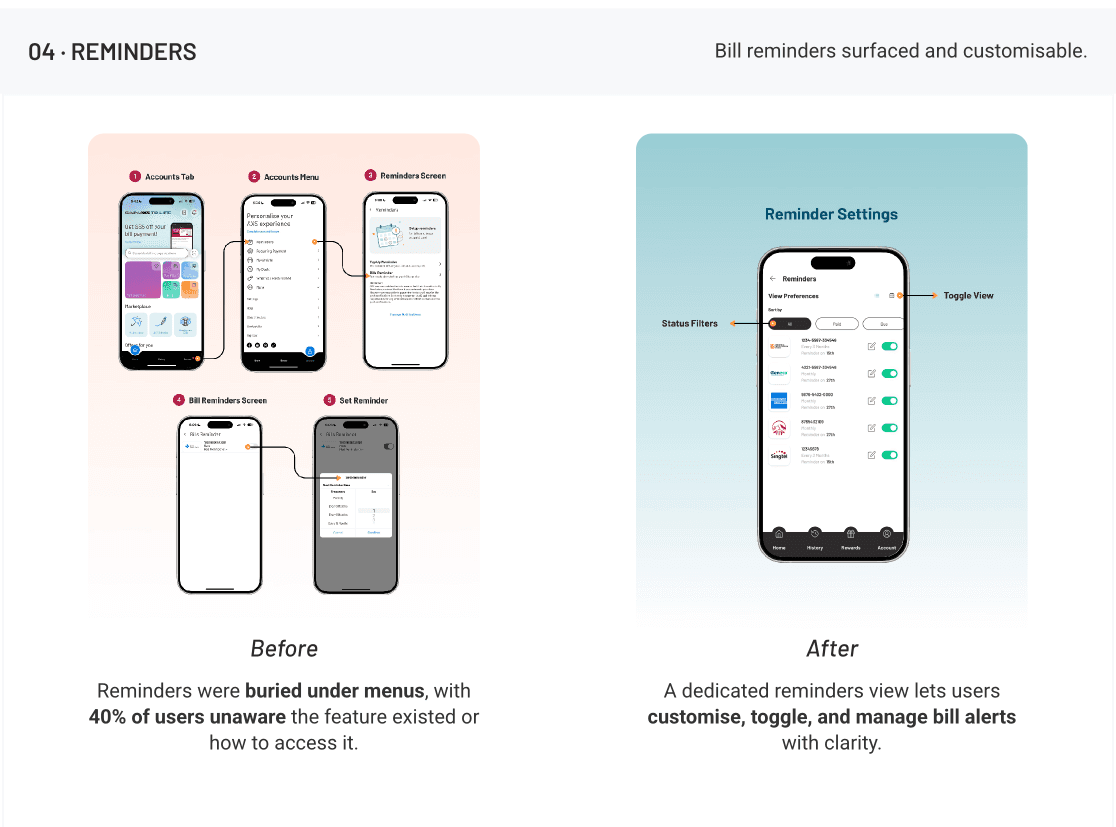
33% of users wanted reminders for recurring bills, with 40% of existing users unaware this feature existed.
Ideate - Workshops
UX Workshops
Building on the research findings, two co-creation workshops were conducted with 12 AXS stakeholders across Product, Engineering, and Marketing to improve discoverability, clarify user mental models, and align existing functionality with business priorities.
AXS M-Station
Design Studio
Objective
Improve homepage discoverability of key features.
Outcome
Validated design directions to carry forward into the next sprint.
What we did
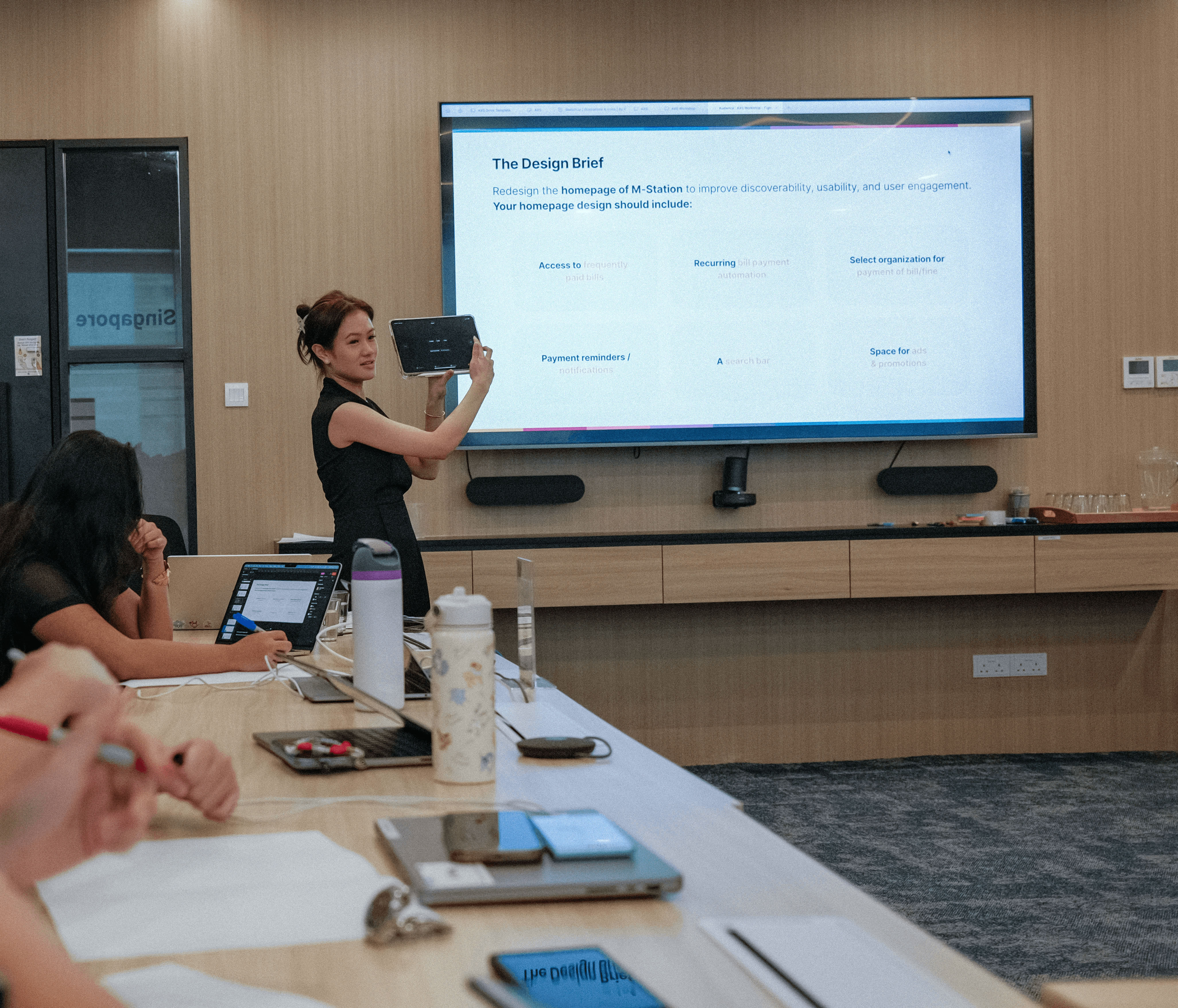
Individual sketching to explore different ideas

Group collaboration to refine and merge concepts
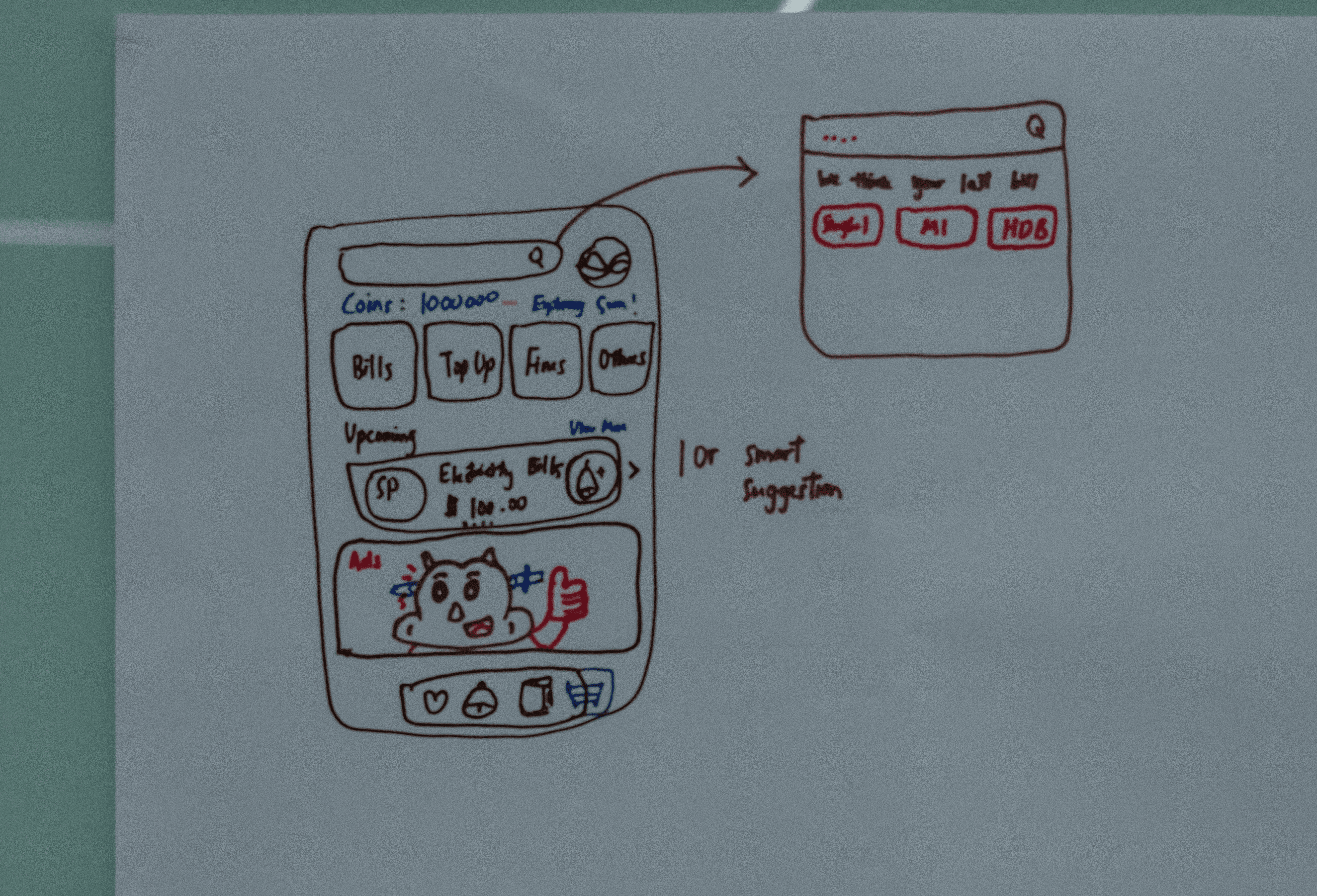
Dot voting to surface the strongest redesign directions
AXS Drive
Impact Effort Map
Objective
Prioritise ideas based on user impact and feasibility.
Outcome
A data-backed roadmap to guide future product direction.
What we did

Presented 14 concepts for evaluation

Facilitated feasibility and impact discussions

Mapped ideas to clarify priorities and next steps
Define - Knowing the user
User Persona
These pain points directly informed how we reframed the problem and prioritised solutions.

Bryan Tan
Bryan juggles work and home responsibilities, so he values convenience — yet often encounters friction when managing his digital payments.
Quote
"I just want one app that helps me stay on top of my bills without worrying I’ll forget.”
Needs
One reliable app to manage bills, set reminders, and save favourites.
Pain Points
Hard to find billers
Reminders unclear
History lost across devices
Unsure if favourites saved
Problem Statement
DELIVER - Before & after
Final Outcome
Six targeted UX enhancements focused on clarity, speed, and confidence across the m-Station experience.
Reflection
What did I learn?
UX is rarely linear
This project strengthened my adaptability — responding to shifting priorities, stakeholder needs, and user insights with clarity rather than rigidity.
Facilitation = leadership
Facilitating cross-functional workshops showed me that leadership isn’t about having answers, but about creating space for shared understanding.
Design starts with people
The most meaningful progress came from understanding user needs and aligning perspectives — the interface followed after.